No cost, ever
This counselling is free from your first call — there's no fee at any stage.
Australia's strongest card is post-study work rights relative to how short the course actually is — but where you study changes the number materially. Here's the current cost, visa and work-rights picture for Indian students.
Share a few details and a counsellor will send a personalised cost and eligibility snapshot for your profile — no cost, no obligation.
Get My Free Cost BreakdownThis counselling is free from your first call — there's no fee at any stage.
A conversation about your options, not a sales pitch.
Costs, visa rules and work rights — verified, not guessed.
The specific advantages worth weighing, from post-study work rights to how quickly Indian students find their footing — not just the postcard reasons.
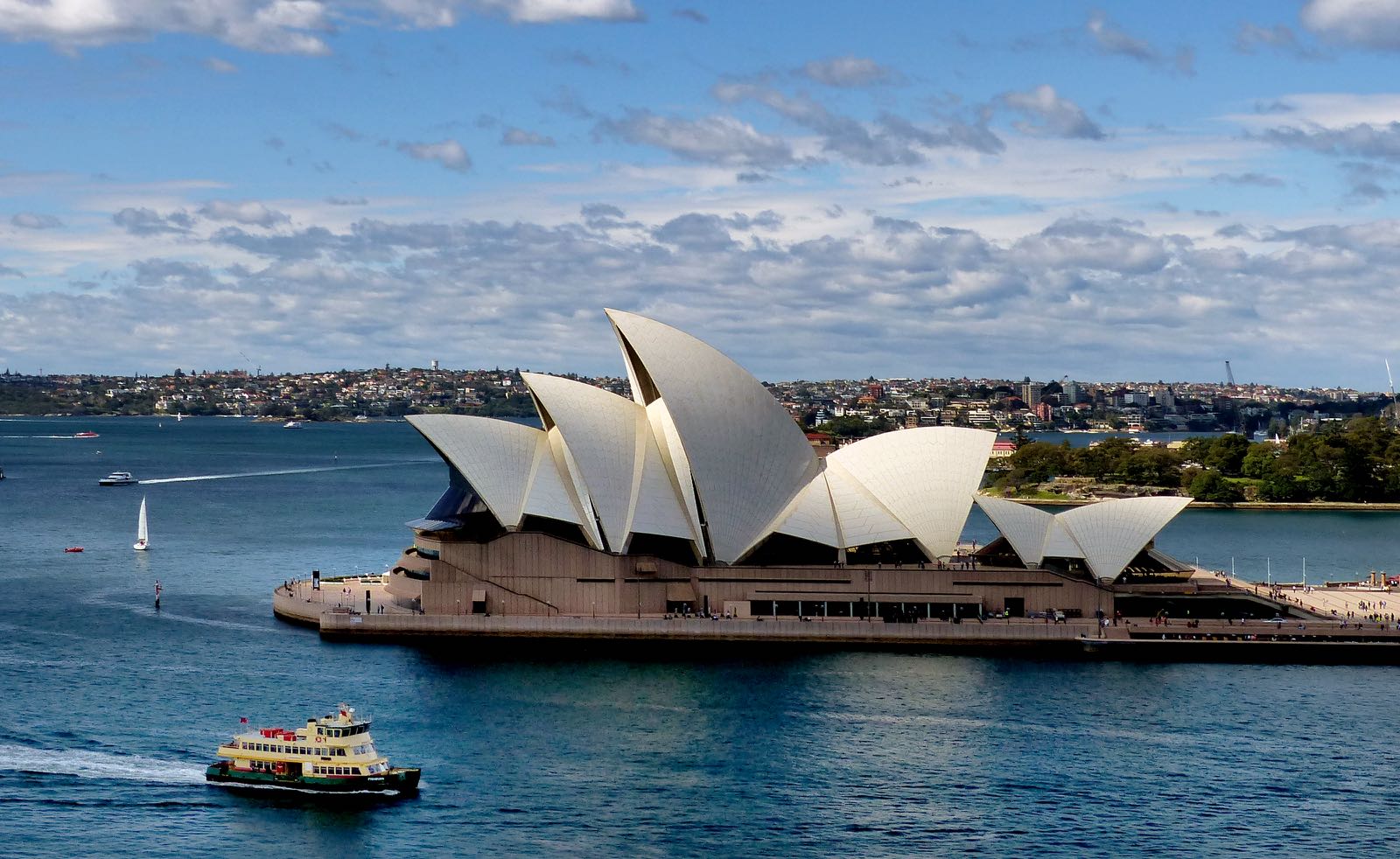
A 2-year Temporary Graduate visa (subclass 485) after a bachelor's or coursework master's, 3 years after a research master's or PhD — plus up to 1–2 extra years if you study and live in a designated regional area (all of Australia except Sydney, Melbourne and Brisbane).
Up to 48 hours per fortnight during term (Condition 8105), unlimited during scheduled breaks, and no cap at all for Master's-by-Research or PhD students.
February (Semester 1) is the largest intake with the broadest course choice; July (Semester 2) is smaller but stronger for IT, science and postgraduate courses.
Tuition isn't government-set, but each university publishes its own fees, so you can compare programmes on real numbers before committing.
Indian students are already one of the largest international student groups in Australia, which shows up in student associations, community networks and everyday access to familiar food and culture in the major cities.
Intake months are reliable sector convention; specific deadlines are set by each university, so treat these as indicative.
February (Semester 1) is the largest intake with the broadest choice. July (Semester 2) is smaller but stronger for IT, science and postgraduate courses.
February intake: applications open around August, close by November of the prior year. July intake: opens January/February, closes April/May. Confirm exact dates with your university.
Book your English test and prepare financial-capacity evidence early, well before you lodge your visa.
Subclass 500 processing time varies widely — from about a month to several months. Check the official Home Affairs tool for current estimates.
UniVox doesn't compare institutions — only how a field of study interacts with Australia's specific cost and work-rights structure.
Postgraduate business tuition spans the widest range in the country — a coursework master's sits at AUD 40,000–57,000/year, flagship MBA-style programmes up to AUD 112,500/year.
The smaller July intake is specifically noted for strong postgraduate IT options — a practical second entry point beyond the main February intake.
Sits alongside IT in the stronger July postgraduate offering, with the standard 2-year subclass 485 period and 48-hour work cap applying in full.
Lab-based programmes sit toward the higher end of the tuition bands; confirm whether yours is coursework or research-based, since that changes your work-hour cap and visa length.
Master of Nursing is a lower-cost postgraduate example (around AUD 40,000/year), and health-sector programmes commonly link to skilled-occupation pathways.
The one category with real structural advantages: no work-hour cap while studying, a 3-year subclass 485 afterwards, and the higher under-50 age limit retained.
Australia rewards specific choices — city, course type, funding — more than it rewards the country itself. Here's where it tends to work, and where it doesn't.
These are the recurring, avoidable errors that turn into extra cost, delay or a rejected application.
A regional city can mean lower rent and up to two extra years of post-study work through the Second Post-Higher Education Work stream. Skipping this comparison is the single most expensive default on this page.
The current limit is 48 hours per fortnight, combined across all jobs. A proposed rise to 60 hours has not been enacted as of 28 August 2026 — planning your finances around it before it's law is a real risk.
The subclass 485 fee has doubled twice within 2026 alone (AUD 2,300 → AUD 4,600 → AUD 5,750). A figure seen online even a few months ago may already be out of date — check the current fee before you budget.
The 485 age cap dropped to under-35 from 1 July 2024 (except research master's/PhD graduates and HK/BNO passport holders). A study plan built for someone in their late 30s or 40s expecting a coursework-master's-plus-485 pathway needs rethinking now.
The financial-capacity threshold has moved twice in under two years (AUD 21,041 → 24,505 → 29,710), and tuition typically rises 4–5% a year. Always confirm the current number before committing funds — not the one you saw last year.
A counsellor reviews your budget, target field and city preference, then calls within 24 hours with next steps. No payment is involved at this stage — it's a conversation, not a sales pitch.
Straight answers to the questions Indian students ask most before committing to Australia.
Often, yes. A degree from, and time lived in, a designated regional area (anywhere except Sydney, Melbourne and Brisbane) adds 1–2 extra years of post-study work — up to 4–5 years total, versus 2–3 years for a city-only graduate.
Undergraduate tuition runs roughly AUD 25,000–55,000 a year; postgraduate AUD 40,000–57,000, up to AUD 112,500 for programmes like MBAs. Living costs vary sharply by city — see the cost breakdown above.
Up to 48 hours per fortnight while classes are in session, unlimited during scheduled breaks, and no cap at all for Master's-by-Research or PhD students.
The Temporary Graduate visa (subclass 485) runs 2 years after a bachelor's or coursework master's, 3 years after a research master's or PhD — plus up to 1–2 extra years for a regional area.
The current threshold is AUD 29,710 for a single applicant, covering travel, first-year fees and living costs together — with a genuine, documented holding history behind the funds.
No. UniVox counsels and refers — your university and the Department of Home Affairs handle admission and the visa decision itself.
A one-line difference and a typical annual cost for each — the full picture is on each country's own page.

The clearest study-to-PR pathway. Undergraduate tuition averages ≈ CAD 41,746/year.
Study in Canada
The widest course choice, but the highest cost and a lottery-based post-study route. Public tuition averages ≈ USD 31,880/year.
Study in USA
A one-year master's — the shortest route of the four. Tuition runs ≈ £12,000–£25,000 for the full year.
Study in UK