No cost, ever
This counselling is free from your first call — there's no fee at any stage.
A UK taught master's finishes in twelve months, not twenty-four — one year less of fees and living costs, and a year sooner back into a salary. It's changing under your feet too: the Graduate Route drops from 2 years to 18 months for anyone applying on or after 1 January 2027.
Share a few details and a counsellor will send a personalised cost and eligibility snapshot for your profile — no cost, no obligation.
Get My Free Cost BreakdownThis counselling is free from your first call — there's no fee at any stage.
A conversation about your options, not a sales pitch.
Costs, visa rules and work rights — verified, not guessed.
The specific advantages worth weighing, from course length to how quickly Indian students find their footing — not just the postcard reasons.
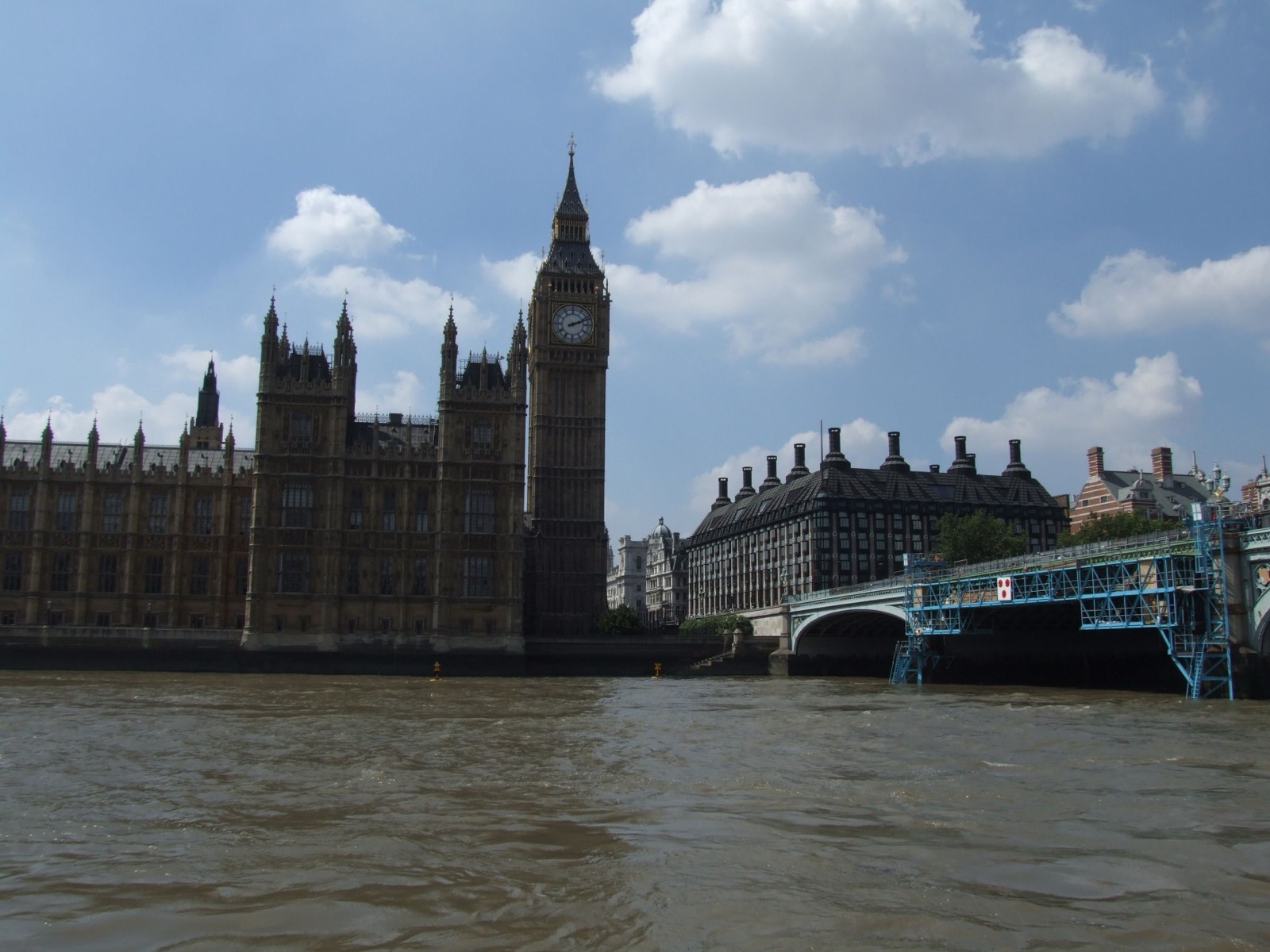
A taught master's finishes in twelve months, not twenty-four — one year less of fees and living costs, and a year sooner back into a salary.
Up to 20 hours a week during term-time on a degree-level course, and full-time during official vacations.
September/October is the main intake with the broadest course choice; January is secondary, and a few universities also run a smaller May intake.
Tuition isn't government-set, but each university publishes its own fees — typically £12,000–£25,000 for the year — so you can compare programmes on real numbers.
Indian students are one of the largest international groups in the UK, which shows up in student associations, community networks and everyday access to familiar food and culture.
Deadlines are set per university, not centrally — treat these as indicative.
September/October is the main intake — over 70% of international students enrol here. January is secondary, with a narrower course range; a few universities also run a smaller May intake.
Deadlines are set per university. Many stay open into June for a September start; competitive or funded courses close earlier.
Show your maintenance-fund proof — held for 28 consecutive days — well before you apply for your visa.
Standard processing is about 3 weeks from outside the UK. Paid Priority and Super Priority options exist where available.
UniVox doesn't compare institutions — only which fields genuinely fit the UK's compressed one-year format.
Cohort-based MSc Management and MBA formats don't need a second year — but it's the most crowded field, so differentiate early.
Conversion master's take non-CS graduates to an employable base in a single, fast-paced year.
Taught modules plus a data-heavy dissertation fit two semesters and a summer project cleanly.
Taught MSc routes work well for a relevant bachelor's; specialist lab-heavy programmes sit at the top of the tuition band.
A compact, exam-driven format suits finance master's, and many align with professional-body exemptions.
The one-year LLM is the international standard for postgraduate law — modular, not a second foundational year.
Runs as one intensive year with a placement or dissertation — useful with a clinical or life-sciences background.
Practice-based and research master's are usually a single, portfolio-driven year rather than a staged build-up.
The UK rewards a specific kind of student — pace, budget shape, work-rights expectations — more than it rewards the country itself. Here's where it tends to work, and where it doesn't.
These are the recurring, avoidable errors that turn into extra cost, delay or a rejected application.
The £776 Immigration Health Surcharge and £558 visa fee are on top of tuition and living costs — and IHS jumps to the standard £1,035/year rate if you later move to the Graduate Route.
Maintenance funds must be held for 28 consecutive days, with a closing statement dated within 31 days of your application — a common, entirely avoidable cause of refusal.
Anyone applying on or after 1 January 2027 gets 18 months, not 2 years. If your post-study plan assumes 2 years, check exactly when your application will actually be made.
It doesn't. If long-term settlement is the goal, you need to switch into a route like Skilled Worker before the Graduate Route expires.
The cap is combined across all jobs and can't be averaged across weeks — going over it, even briefly, is a visa condition breach, not just a minor rule.
A counsellor reviews your budget, target field and city preference, then calls within 24 hours with next steps. No payment is involved at this stage — it's a conversation, not a sales pitch.
Straight answers to the questions Indian students ask most before committing to the UK.
Yes. The Graduate Route gives bachelor's/master's graduates 2 years of post-study work rights (3 years for PhD) for applications made on or before 31 December 2026. For applications on or after 1 January 2027, that drops to 18 months for bachelor's/master's (PhD stays at 3 years).
Tuition typically runs £12,000–25,000 (up to £60,000+ for specialist programmes). On top, budget for living costs, the Immigration Health Surcharge (£776) and the Student visa fee (£558).
£1,529/month for London or £1,171/month outside London, capped at 9 months — on top of your first year's tuition. Funds must be held for at least 28 consecutive days before you apply.
Up to 20 hours per week in term-time on a degree-level course, and full-time during official vacations. Hours can't be averaged across weeks.
Standard processing is about 3 weeks (15 working days) from outside the UK. Paid Priority and Super Priority options exist where available.
No. UniVox provides independent guidance on courses, universities, costs and application processes. Students apply to the respective institution, which independently handles admission and academic decisions.
A one-line difference and a typical annual cost for each — the full picture is on each country's own page.

The clearest study-to-PR pathway. Postgraduate tuition averages ≈ CAD 24,000/year.
Study in Canada
The widest course choice, but the highest cost and a lottery-based post-study route. Private tuition averages ≈ USD 45,000/year.
Study in USA
The strongest post-study work rights relative to course length, with a regional bonus. Postgraduate tuition runs ≈ AUD 40,000–57,000/year.
Study in Australia