No cost, ever
This counselling is free from your first call — there's no fee at any stage.
What a year costs, which provinces are affordable, and how the post-graduation work permit actually leads to residency. Here's the current cost, visa and work-rights picture for Indian students.
Share a few details and a counsellor will send a personalised cost and eligibility snapshot for your profile — no cost, no obligation.
Get My Free Cost BreakdownThis counselling is free from your first call — there's no fee at any stage.
A conversation about your options, not a sales pitch.
Costs, visa rules and work rights — verified, not guessed.
The specific advantages worth weighing, from the residency pathway to how quickly Indian students find their footing — not just the postcard reasons.
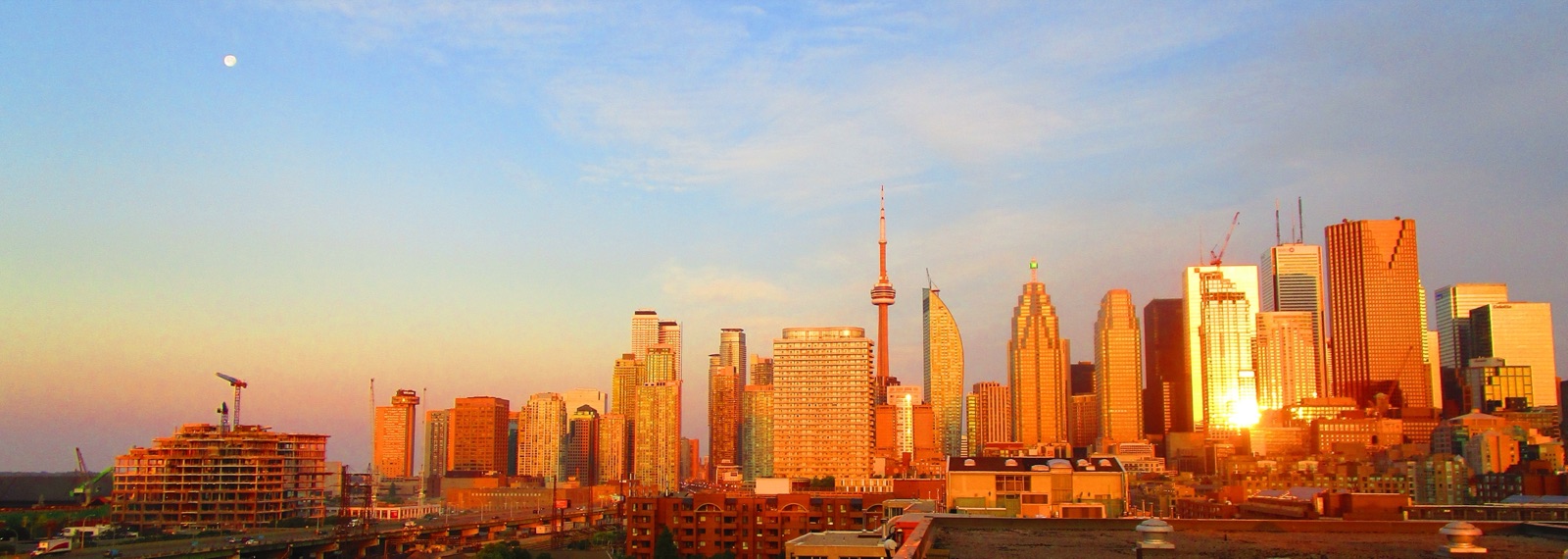
Post-Graduation Work Permit (PGWP) holders can use qualifying Canadian work experience toward Express Entry's Canadian Experience Class — with no job-offer or settlement-funds requirement.
Programs 2 years or longer (and qualifying master's of at least 8 months) get a PGWP valid for up to 3 years.
Up to 24 hours a week off-campus during regular terms, unlimited during scheduled breaks — a permanent rule since November 2024.
Fall (September) is the largest intake with the widest course choice; Winter (January) is second; a smaller Summer (May) intake exists too.
Indian students are already one of the largest international groups in Canada, which shows up in student associations, community networks and everyday access to familiar food and culture.
Intake dates are set by each institution, not the government — treat these as indicative.
Start about 12 months ahead. Fall (September) is the largest intake with the widest course choice; Winter (January) is second; Summer (May) is smallest.
Fall: opens September–October of the prior year. Winter: September–November of the prior year. Exact windows vary by institution.
Fall deadlines typically fall December–March of the intake year. Competitive programmes often close earlier than the published date.
After an offer, apply for your study permit. Processing from India currently runs roughly 7–12 weeks — check IRCC's live tool for the current figure.
UniVox doesn't compare institutions — only how a field of study interacts with Canada's specific PGWP and residency structure.
Widely available at diploma and degree level, giving real flexibility on program length and PGWP duration.
Tech roles frequently sit in TEER 0–2 classifications — exactly what counts toward Express Entry's CEC later.
Degree-level programmes typically clear the 2-year PGWP threshold for the full 3-year permit.
Persistent labour demand, though clinical placements and provincial licensing add complexity.
Often offered as a shorter graduate diploma — useful for a PGWP without a full multi-year master's.
Concentrated in Prairie-province institutions, pairing with lower Prairie living costs.
Common at diploma level with defined lengths, making PGWP eligibility easy to calculate up front.
College-level trades programmes tend to run 1–2 years, landing squarely in PGWP-eligible territory.
Canada rewards specific choices — province, program length, funding — more than it rewards the country itself. Here's where it tends to work, and where it doesn't.
These are the recurring, avoidable errors that turn into extra cost, delay or a rejected application.
The Student Direct Stream was discontinued on 8 November 2024. All applicants now go through a single Regular processing stream with different documentation expectations.
The off-campus limit is now 24 hours/week during term, made permanent in November 2024. Some older permits still print "20 hours" — the higher cap applies automatically.
Curriculum-licensing partnerships, ESL/FSL-only courses, and programs outside the eligible-fields list can leave a graduate with no PGWP at all.
CAD 22,895–23,448/year is the legal floor for a study permit, not a realistic budget for Toronto or Vancouver, where rent runs roughly double Saskatoon or Regina.
The clock starts from your program-completion confirmation. Apply while your study permit is still valid — missing it can mean losing PGWP eligibility entirely.
A counsellor reviews your budget, target field and city preference, then calls within 24 hours with next steps. No payment is involved at this stage — it's a conversation, not a sales pitch.
Straight answers to the questions Indian students ask most before committing to Canada.
It can. PGWP holders can use qualifying Canadian work experience toward Express Entry's Canadian Experience Class, which has no job-offer or settlement-funds requirement. This pathway is under active government review, so treat it as subject to change.
A single applicant must show CAD 22,895/year in living expenses for applications through 31 August 2026, rising to CAD 23,448/year from 1 September 2026 — plus tuition and return-transport costs.
No. SDS was discontinued on 8 November 2024. All study permit applicants now go through Canada's single Regular processing stream.
Up to 24 hours per week off-campus during regular school terms, and unlimited hours during scheduled breaks — a permanent rule since November 2024.
No. A study permit only authorises you to study — working after graduation requires a separate Post-Graduation Work Permit (PGWP), with its own eligibility rules.
No. UniVox counsels and refers — your institution and IRCC handle admission and the visa decision itself.
A one-line difference and a typical annual cost for each — the full picture is on each country's own page.
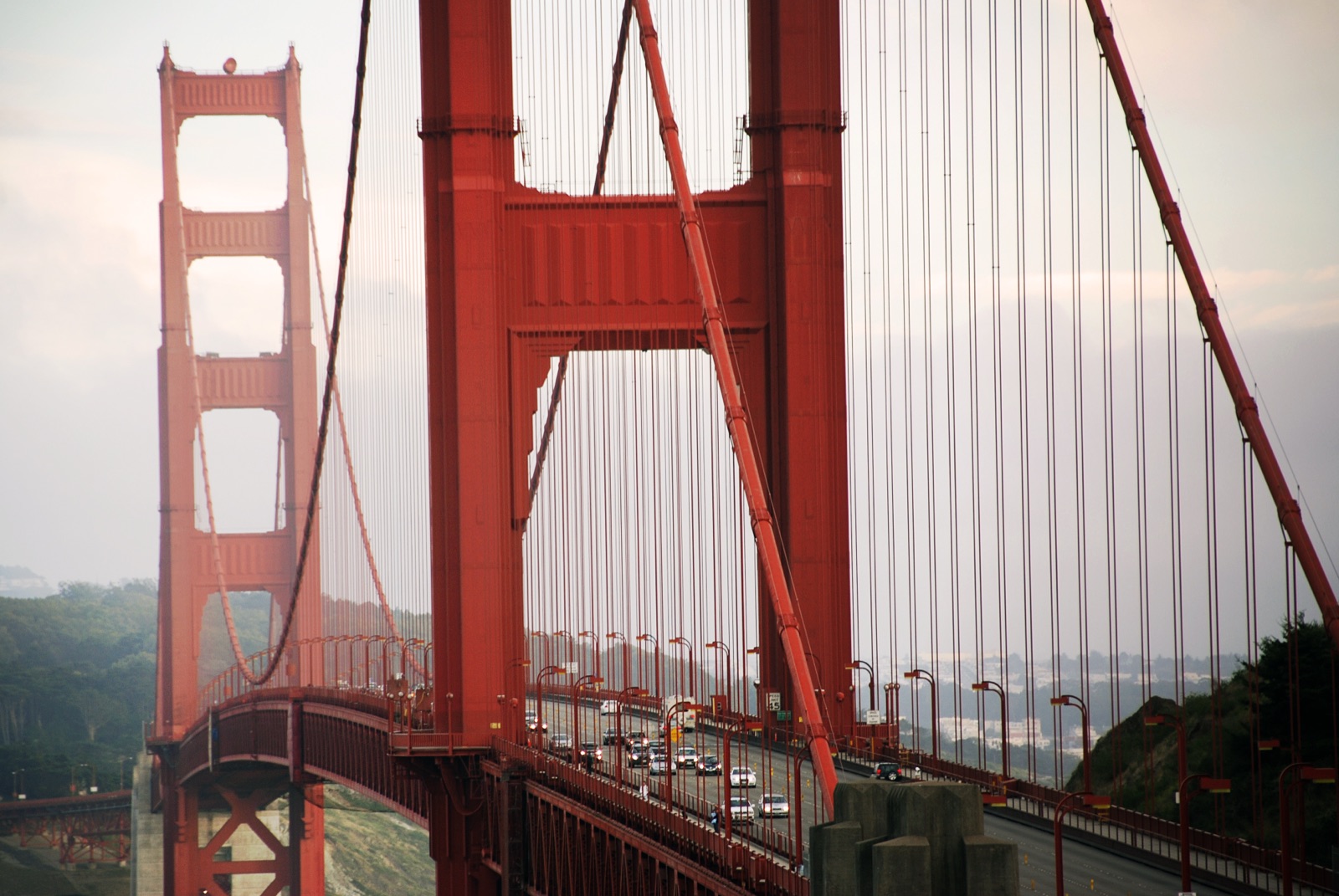
The widest course choice, but the highest cost and a lottery-based post-study route. Public tuition averages ≈ USD 31,880/year.
Study in USA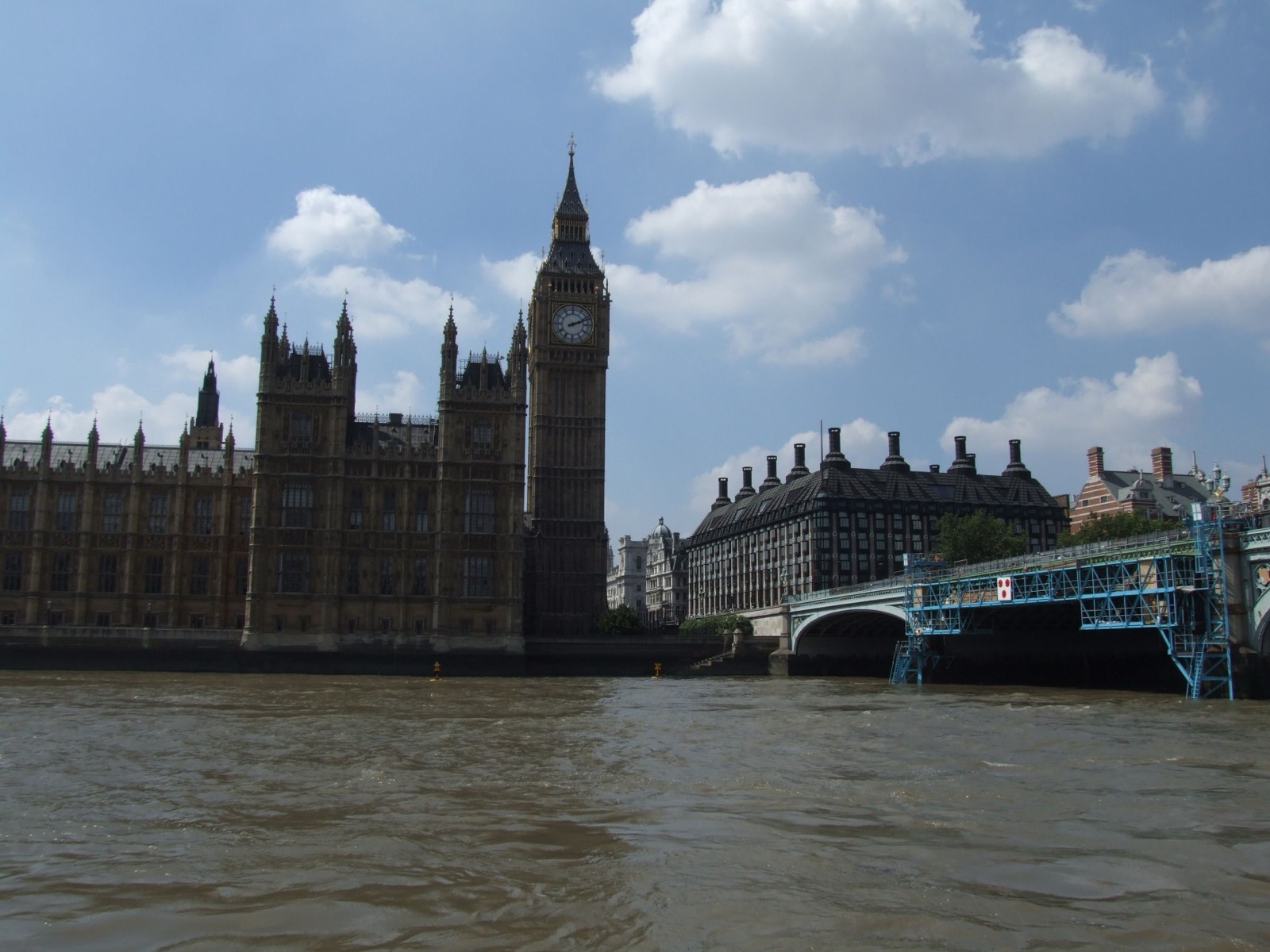
A one-year master's — the shortest route of the four. Tuition runs ≈ £12,000–£25,000 for the full year.
Study in UK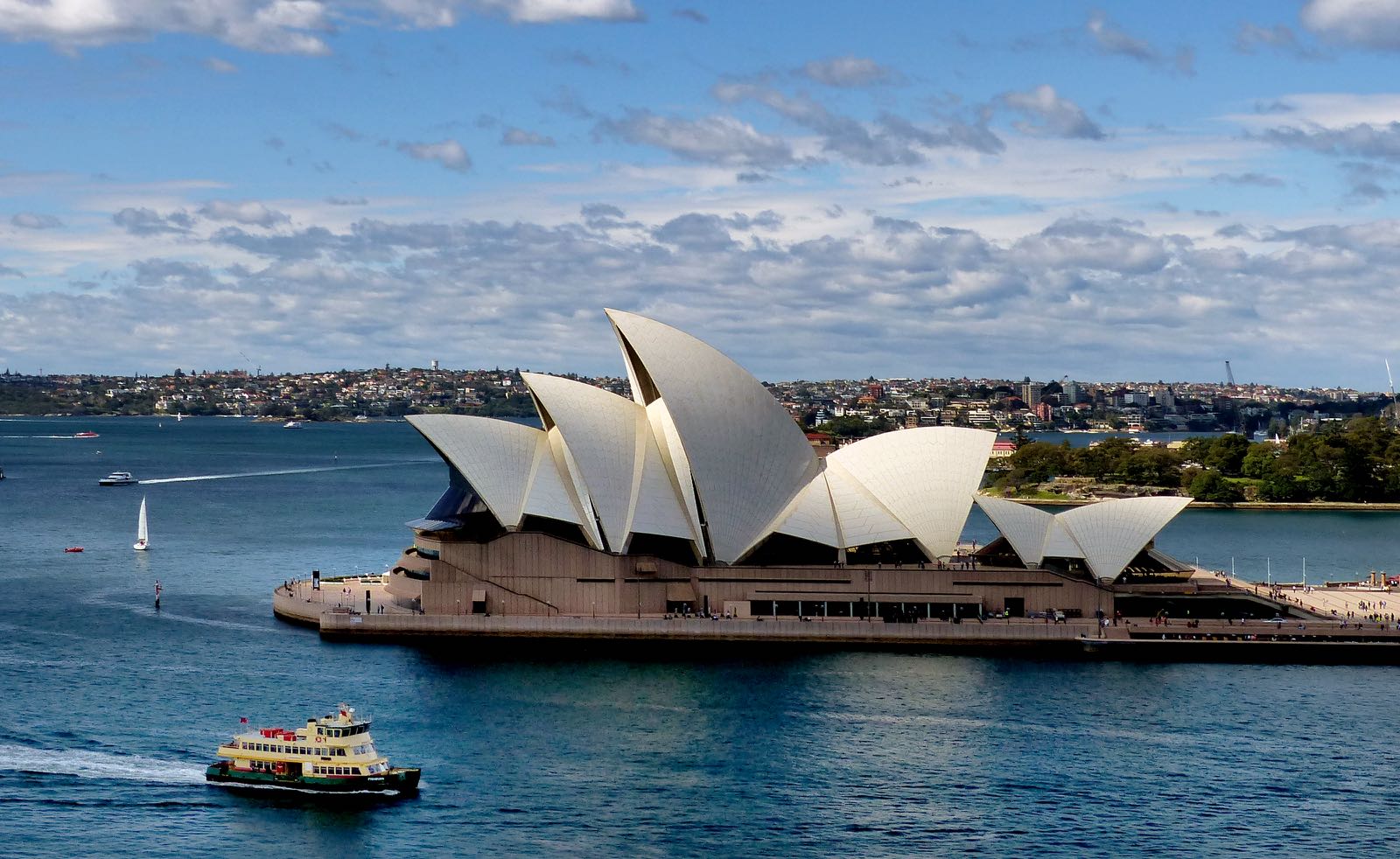
The strongest post-study work rights relative to course length, with a regional bonus. Tuition runs ≈ AUD 25,000–55,000/year.
Study in Australia