No cost, ever
This counselling is free from your first call — there's no fee at any stage.
Germany's public universities charge next to nothing in tuition, and that single fact draws more Indian students here than almost any other country. But "free education" hides a real upfront cost — the blocked account — and a language reality that catches many students out. Here's the current cost, visa and work-rights picture for Indian students.
Share a few details and a counsellor will send a personalised cost and eligibility snapshot for your profile — no cost, no obligation.
Get My Free Cost BreakdownThis counselling is free from your first call — there's no fee at any stage.
A conversation about your options, not a sales pitch.
Costs, visa rules and work rights — verified, not guessed.
The specific advantages worth weighing, from tuition to work rights to how established the Indian student community already is — not just the "free education" headline.
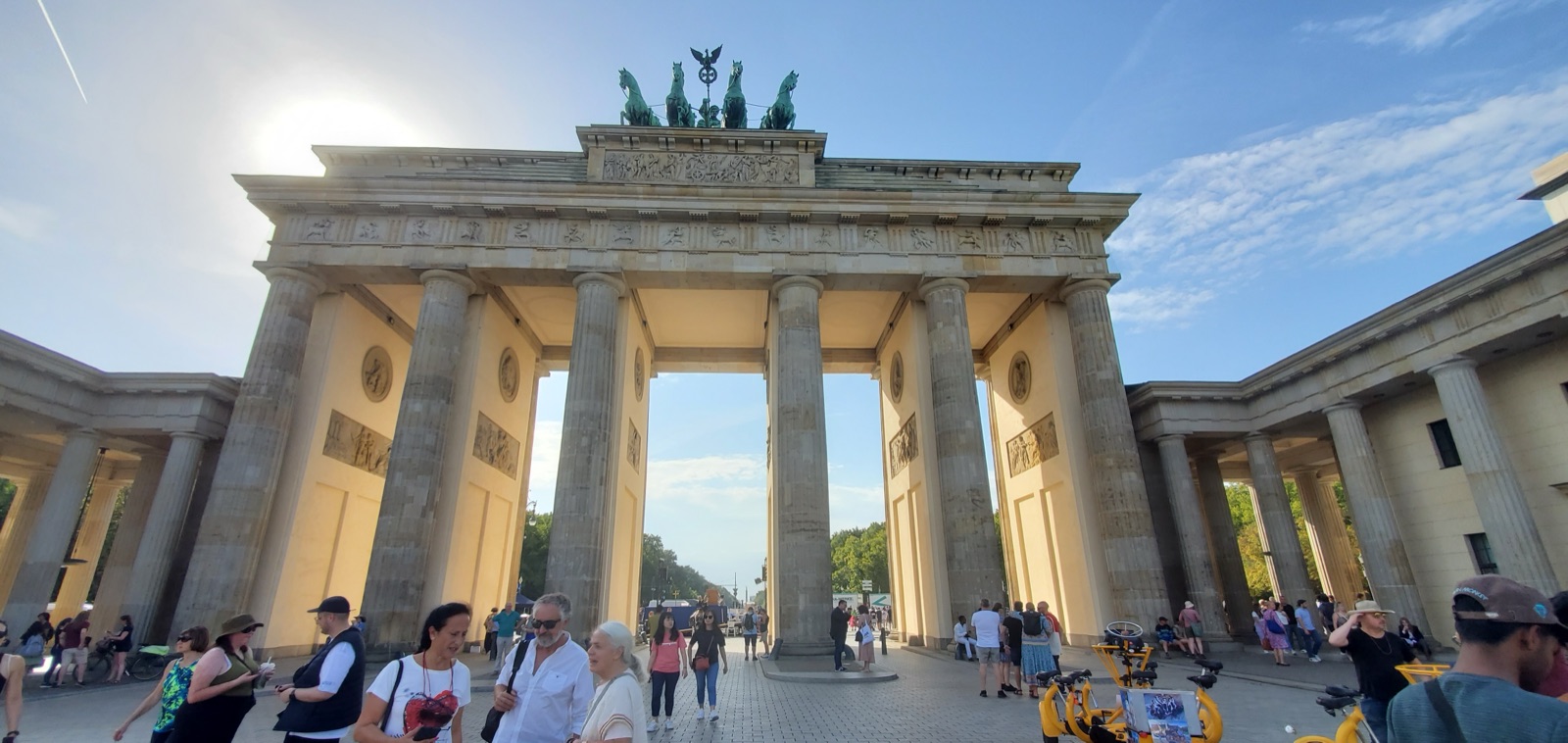
Most public universities charge no tuition, only a semester contribution (Semesterbeitrag) of roughly €150–350, which usually includes a public-transport ticket (DAAD, Study.eu, updated 2026). The one exception is Baden-Württemberg, which charges non-EU/EEA students real tuition — €1,500 per semester (€3,000/year) — at universities including Stuttgart, Karlsruhe, Mannheim, Freiburg and Heidelberg.
Before your visa is granted, you need a blocked account (Sperrkonto) holding €11,904 — €992 a month — the German government's own figure for one year's living costs, effective since 1 January 2025 and still current for 2026 (DAAD). This sits entirely separate from tuition and is the single biggest budgeting filter most applicants underestimate.
Non-EU students can work up to 140 full days or 280 half-days a year, generally capped at 20 hours a week during term — raised from the earlier 120-day limit under the 2024 Skilled Immigration Act reform (Make it in Germany, current 2026).
Winter semester (October) is the main intake with by far the widest course choice; Summer semester (April) is smaller, with far fewer programmes open, mostly at bachelor's level.
69,816 Indian students were enrolled in Germany in Winter 2025/26 — a record, up 17.5% year-on-year, and now the largest international group in the country at 13.5% of all international students (DAAD data, 2025/26). Engineering alone draws roughly 60% of them.
Intake months are reliable sector convention; specific deadlines are set by each university and by uni-assist, so treat these as indicative.
Winter semester (1 October–31 March) is the main intake with by far the widest course choice. Summer semester (April onward) is smaller, with far fewer programmes open, mostly at bachelor's level.
Winter semester: the common uni-assist deadline is 15 July, though individual universities set earlier dates — TU Munich closes around 31 May for many programmes, Heidelberg's medicine track around 15 May. Summer semester: applications typically close by 15 January. Confirm exact dates with your university.
Budget months for your APS certificate, a German or English language test, and document verification through uni-assist — this alone can take the better part of a year, so start well before you plan to lodge your visa.
The national (Type D) visa costs €75 and typically takes 6–12 weeks once your file is complete — but the VFS appointment slot itself is often the real bottleneck in peak months. Start 3–5 months before your semester begins.
UniVox doesn't compare institutions — only how a field of study interacts with Germany's specific tuition, language and work-rights structure.
Germany's engine-room industries recruit directly from its universities, but expect predominantly German-taught modules once you move beyond introductory, English-taught tracks.
One of the largest pools of English-taught master's programmes in the country, and a Werkstudent (working-student) role here is often the easiest to find within your 140-day allowance.
English-taught management master's and MBA-style programmes are common at private universities and Hochschulen — but these usually carry real tuition, unlike public-university degrees.
Strong crossover with Germany's Mittelstand manufacturing base; confirm the actual teaching language of your specific programme before assuming an all-English track.
A growing field tied to Germany's energy transition (Energiewende), with an expanding — though still limited — set of English-taught specialised master's.
Widely available at public universities for close to zero tuition outside Baden-Württemberg, though many undergraduate tracks remain German-only.
Practical, industry-linked degrees with smaller class sizes; the tuition and language mix varies more by individual Hochschule than by field.
Almost entirely German-taught, with limited seats for international students and a long Studienkolleg-plus-language runway — not a fast route for most applicants.
Germany rewards a realistic budget and a verified programme more than it rewards the "tuition-free" headline. Here's where it tends to work, and where it doesn't.
These are the recurring, avoidable errors that turn into extra cost, delay or a rejected application.
Public tuition being close to zero doesn't cancel the blocked account (€11,904/year), health insurance, the semester contribution, or Baden-Württemberg's real €3,000/year tuition. Students who budget only for tuition are routinely short by lakhs of rupees a year.
DAAD's international programmes database lists only around 1,800 courses taught fully in English (DAAD, updated 2026) — a small slice of Germany's total catalogue, and the share shrinks sharply at undergraduate level. Verify the actual teaching language on the university's own listing before applying, not a course name that sounds English.
Between APS certification, uni-assist verification, language tests and the visa queue, 12–18 months from shortlisting to enrolment is typical, not an outlier. Starting the process the same year you want to enrol is usually too late for winter semester.
The required figure is reset periodically — it moved to €992/month from 1 January 2025 — and only Ausländerbehörde-approved providers are accepted. An account opened with an outdated amount or an unrecognised provider can delay or derail your visa.
It's a ceiling, not a guarantee of hours or of finding a job — and combined with the 20-hour weekly cap during term, most students earn a supplement to their budget, not a replacement for it.
A counsellor reviews your budget, target field and city preference, then calls within 24 hours with next steps. No payment is involved at this stage — it's a conversation, not a sales pitch.
Straight answers to the questions Indian students ask most before committing to Germany.
Public universities charge no tuition in most states — you'll still pay a semester contribution (€150–350) and need to fund a blocked account (€11,904/year) for living costs. One state, Baden-Württemberg, charges non-EU students real tuition of €3,000/year.
You need a blocked account holding €11,904 (€992/month), effective since January 2025 — the German government's own figure for one year's living costs, separate from tuition.
Yes, but the choice is narrower than most students expect — DAAD's international programmes database lists around 1,800 English-taught courses, concentrated at master's level; undergraduate options taught fully in English are limited.
Up to 140 full days or 280 half-days a year, generally capped at 20 hours a week during term — raised from the earlier 120-day limit under a 2024 reform.
An 18-month, non-renewable residence permit lets you search for qualified work while working any job to cover costs; most graduates aim to transition into an EU Blue Card once they land a role.
No. UniVox counsels and refers — your university and the German mission or Ausländerbehörde handle admission and the visa decision itself.
A one-line difference and a typical annual cost for each — the full picture is on each country's own page.
The clearest study-to-PR pathway, with no equivalent to Germany's blocked-account rule. Undergraduate tuition averages ≈ CAD 41,746/year.
Study in Canada
The widest course choice, but no low-tuition public-university safety net like Germany's. Public tuition averages ≈ USD 31,880/year.
Study in USA
A one-year master's — the fastest route of the four, against Germany's typically longer but far cheaper degree. Tuition runs ≈ £12,000–£25,000 for the full year.
Study in UK