No cost, ever
This counselling is free from your first call — there's no fee at any stage.
Semmelweis, Debrecen, Pécs and Szeged offer EU-recognised, English-taught medical degrees for a fraction of an Indian private college's fees. But the degree alone doesn't let you practise in India — here's the full, dated picture, including the part most agents leave out.
Share a few details and a counsellor will send a personalised cost and FMGE-readiness snapshot for your profile — no cost, no obligation.
Get My Free Cost BreakdownThis counselling is free from your first call — there's no fee at any stage.
A conversation about your options, not a sales pitch.
Costs, visa rules and the FMGE reality — verified, not guessed.
Most students researching Hungary are really researching one thing: an MBBS/MD they can afford. That's a legitimate reason to look here — but it's a decision with a second exam waiting at the end of it, so the list below is honest about both sides.

Six-year MD tuition across Hungary's four public medical universities runs roughly USD 100,000–125,000 total for the 2026/27 intake — USD 16,750/year at Pécs, USD 16,900/year at Debrecen, about EUR 15,800/year at Szeged, and USD 20,900/year at Semmelweis in Budapest. Indian private and deemed-university MBBS seats, particularly under NRI or management quota, commonly run ₹60 lakh to over ₹1.5 crore for the same duration.
The MD from Semmelweis, Debrecen, Pécs or Szeged is recognised across the EU/EEA, and lectures, clinical rotations and exams are conducted entirely in English at all four universities. India's National Medical Commission requires the entire foreign course to be delivered in English for the degree to be eligible for the domestic licensing pathway at all.
Instead of a national merit-rank scramble, each university sets its own written test — typically Medical Biology and Medical Chemistry, plus General and Medical English — followed by an oral interview over Zoom or MS Teams. For 2026/27, exams run mostly online, with interviews scheduled between early March and mid-July.
Stated plainly: an MD from Hungary does not, by itself, let you practise medicine in India. Every Indian citizen with a foreign medical degree must clear India's foreign-graduate licensing exam and complete a supervised internship before getting registered. As of 2026, that exam is the FMGE — the National Exit Test (NExT), meant to eventually replace it, has been formally deferred by the NMC to at least the 2028–29 cycle. Recent FMGE pass rates for foreign graduates: 20.89% (June 2024), 29.62% (December 2024), 18.61% (June 2025) and 23.37% (December 2025), per NBEMS scorecards. Build FMGE preparation into your six years from day one — don't treat it as a problem for graduation day.
Living costs in Budapest run roughly EUR 500–800 a month; Debrecen, Pécs and Szeged are typically 15–30% cheaper, at around EUR 440–560 a month. If your budget is tight, a smaller medical city is a legitimate way to control total cost without changing the degree you graduate with.
Most Hungarian medical universities run a single main intake, with a predictable application-to-arrival sequence.
The main intake is September; applications typically open in January and close between May and mid-June depending on the university — Semmelweis runs 12 January to 31 May, Debrecen's deadline is mid-June.
Revise Class 11–12 biology and chemistry and sit the university's online written test, followed by an oral interview, generally scheduled between early March and mid-July. Entrance and application fees run roughly USD 200–350 per university.
Along with transcripts, passport and a medical checkup, secure a valid, qualifying NEET-UG score — the NMC requires this before admission into any foreign medical institution for the degree to later count towards Indian licensing eligibility.
Apply for the long-term (D-type) national visa through VFS Global in Mumbai; the government fee is EUR 60 plus the VFS service charge, with processing typically taking 15–45 days. After arrival, apply for your residence permit card within 30 days.
This page focuses on medicine because that's the genuine draw for most Indian applicants — a handful of other English-taught fields exist too, listed honestly below.
6 years, English-taught. Offered at Semmelweis, Debrecen, Pécs and Szeged. EU-recognised MD; requires India's FMGE (or successor exam) to practise back home.
5 years, English-taught, at the same four universities. Also subject to India's Dental Council screening exam requirement to practise in India.
5 years, English-taught. 10-semester, 300-ECTS Doctor of Pharmacy programme at Pécs, Debrecen and Szeged.
5 years, English-taught, at the University of Veterinary Medicine Budapest — one of Europe's oldest veterinary schools.
3–4 years, English-taught, at technical universities such as BME (Budapest). Fees vary widely by programme — verify directly with the university.
3–4 years, English-taught, at several Hungarian universities. A secondary option here, not the medicine-focused pathway above.
This decision carries more weight than most study-abroad choices — it's a six-year commitment followed by an exam that decides whether it pays off. Read both columns carefully.
These are the recurring, avoidable errors that turn into extra cost, delay or a rejected application.
Hungary's universities still run a real biology, chemistry and English entrance test plus an interview. Skipping preparation because "there's no NEET here" leads to failed or delayed entrance attempts.
University fee pages quote per-year figures. Multiply across all six years, add annual living-cost inflation, and only then compare the real total against an Indian private-college seat.
It doesn't. You need to clear India's FMGE (the current foreign-graduate licensing exam, pending NExT's eventual rollout) and complete a supervised internship. Pass rates for foreign graduates have run roughly 19–30% across the last four sittings.
Debrecen, Pécs and Szeged are typically 15–30% cheaper to live in than Budapest, with no difference in the degree itself. If budget is tight, this is a legitimate lever to use deliberately.
The NMC requires a valid, qualifying NEET-UG score before you take admission abroad. Applying without checking this first can make an otherwise completed degree ineligible for India's licensing pathway.
A counsellor reviews your budget, target intake and city preference, then calls within 24 hours with next steps — including a realistic FMGE-prep timeline. No payment is involved at this stage — it's a conversation, not a sales pitch.
Straight answers to the questions Indian students ask most before committing to Hungary — including the one most agents avoid.
It can be, for the right student. Hungary offers EU-recognised, English-taught medical degrees at four public universities (Semmelweis, Debrecen, Pécs, Szeged) for roughly USD 100,000–125,000 total tuition over six years, well below many Indian private and deemed-university NRI-quota MBBS seats. But the degree alone doesn't let you practise in India — you still need to clear India's foreign-graduate licensing exam afterwards.
Not automatically. Every Indian citizen who completes a medical degree abroad must clear India's foreign-graduate licensing exam and complete a supervised internship before getting registered. As of 2026 that exam is the FMGE; the National Exit Test (NExT), meant to eventually replace it, has been officially deferred by the NMC to at least the 2028–29 cycle. Recent FMGE pass rates for foreign graduates have run roughly 19–30% across the last four sittings.
Tuition for General Medicine runs roughly USD 16,750–20,900 per year for the 2026/27 intake, depending on the university. Over the full six-year MD, that totals approximately USD 100,000–125,000 in tuition alone, before living costs of roughly EUR 440–800 a month depending on city.
Yes. A valid NEET-UG qualifying score is required before you take admission into any foreign medical institution, Hungary included, for that degree to later count towards Indian licensing eligibility.
Each university sets its own written test — typically Medical Biology and Medical Chemistry plus General and Medical English — followed by an oral interview over Zoom or MS Teams. For 2026/27, exams run mostly online, with interviews between early March and mid-July.
Legally, non-EEA students can work up to 30 hours a week during term and full-time for up to 90 days a year during official breaks. In practice, medicine is lab- and clinic-heavy from the third year onward, so plan your finances assuming limited part-time income.
Hungary's advantage is medicine-specific cost. For most other subjects, these three destinations are the more common comparison.
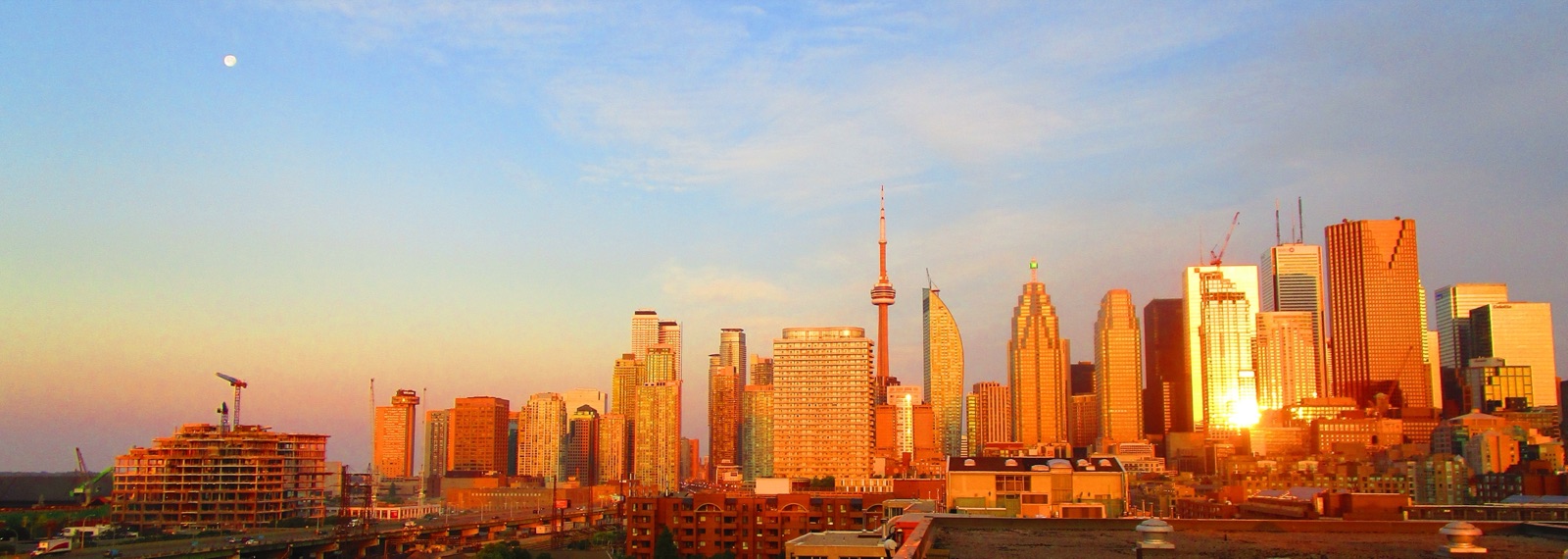
The clearest study-to-PR pathway, but non-medicine undergraduate tuition typically runs CAD 20,000–35,000/year — well above Hungary's medicine-specific total.
Study in Canada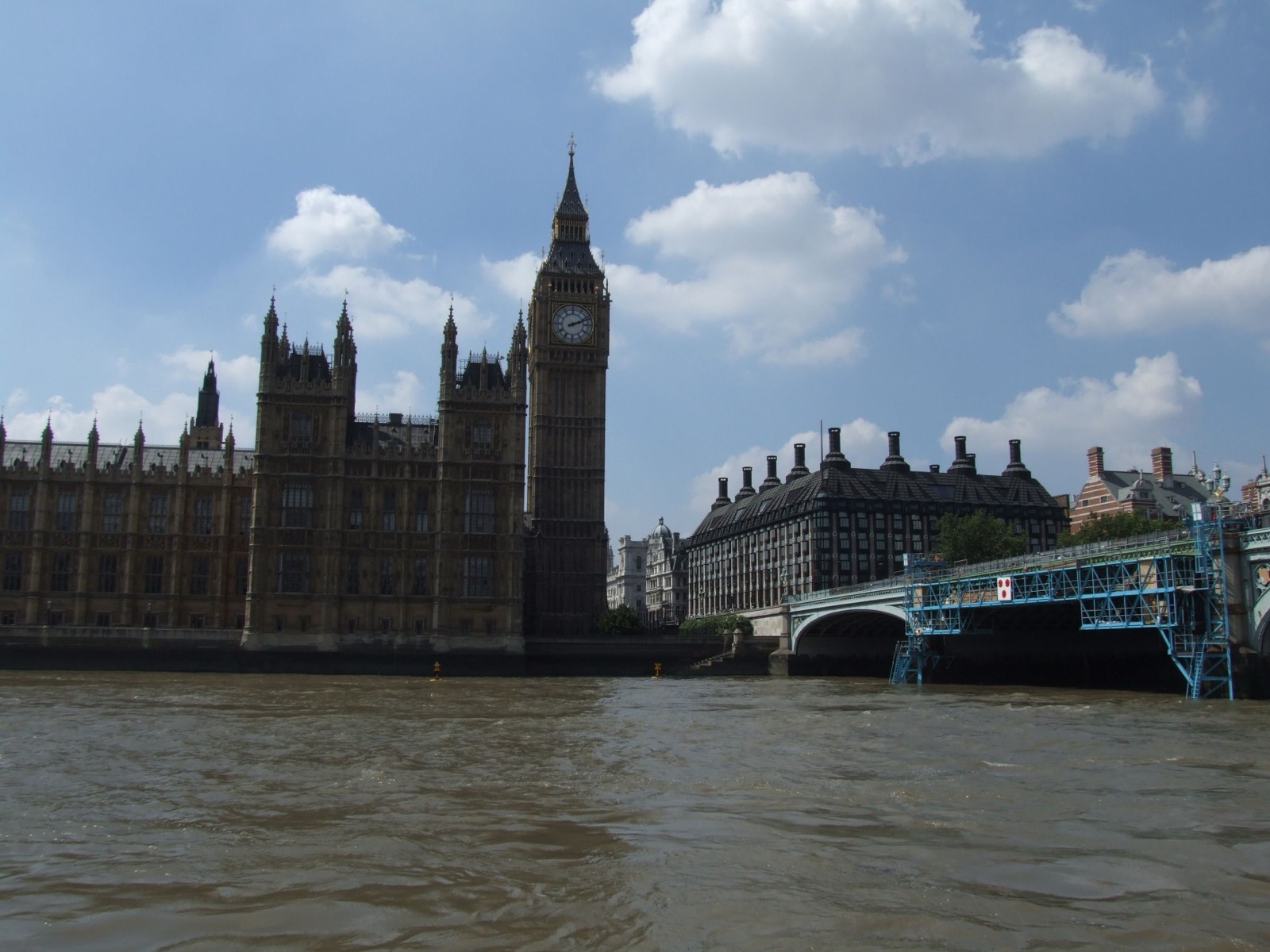
A one-year master's — the shortest route of the four. Tuition runs ≈ £12,000–£25,000 for the full year.
Study in UK
The widest course choice, but the highest cost — tuition alone can exceed Hungary's six-year medicine total in a single year.
Study in USA