No cost, ever
This counselling is free from your first call — there's no fee at any stage.
Finland's case rests on one lever most guides skip past: university-specific tuition waivers, not a free ride — non-EU tuition is real now. Weigh that against high-quality English-taught programmes and low corruption, against a small Indian student network and long, dark winters. Here's the current cost, visa and scholarship picture, without the oversell.
Share a few details and a counsellor will send a personalised cost, scholarship-eligibility and visa snapshot for your profile — no cost, no obligation.
Get My Free Cost BreakdownThis counselling is free from your first call — there's no fee at any stage.
A conversation about your options, not a sales pitch.
Costs, visa rules and work rights — verified, not guessed.
The specific, verifiable advantages — and the honest trade-offs most guides leave out — not just the postcard reasons.
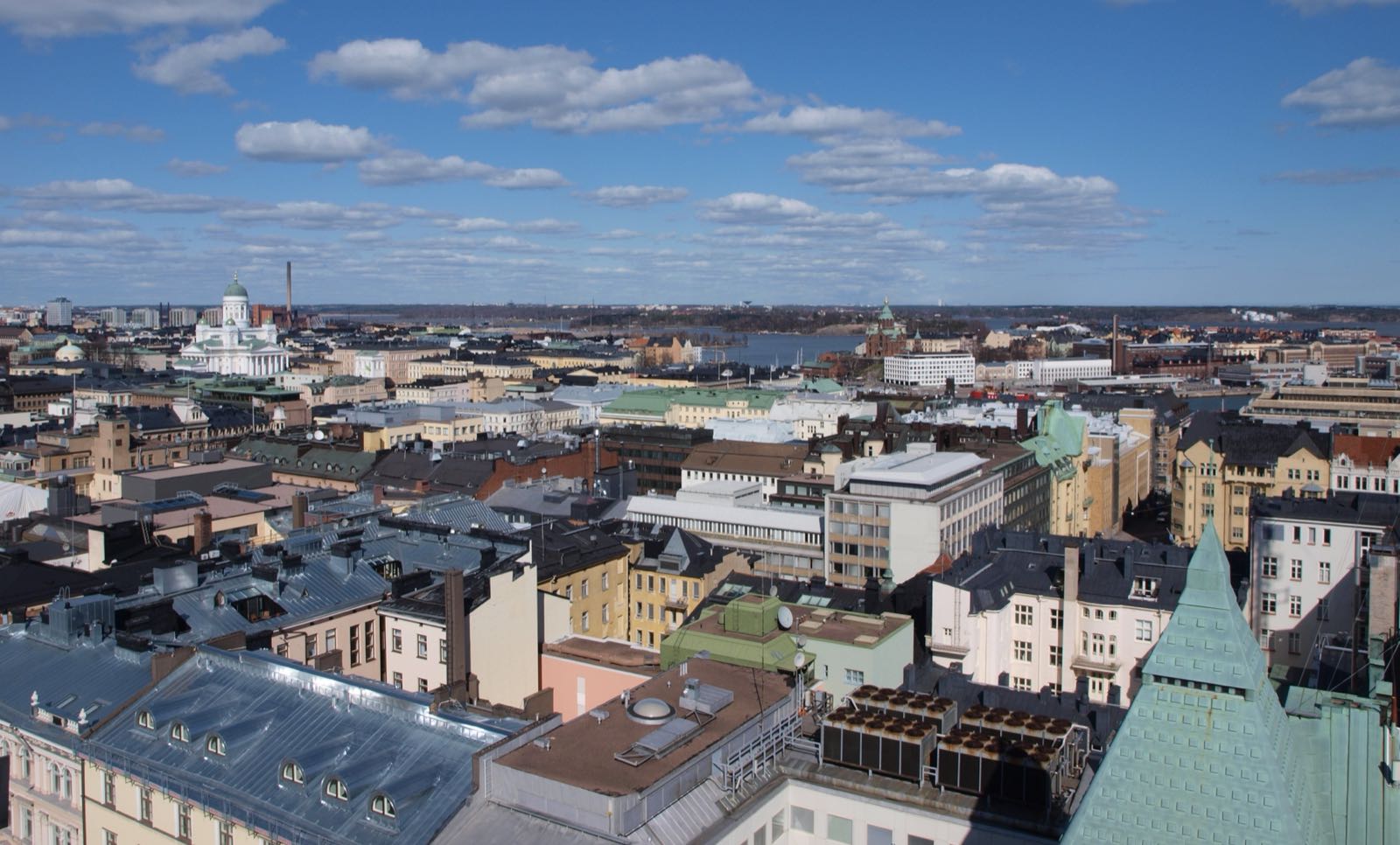
Non-EU/EEA tuition applies only when three things line up at once: you're a non-EU citizen, the degree is taught in English, and it's a bachelor's or master's. Where it does apply, universities routinely waive 50–100% of tuition for strong applicants (Study in Finland; individual university fee pages, 2026) — the waiver, not a headline "free education" claim, is the actual reason a cost-conscious student picks Finland.
Finland consistently ranks among the world's least corrupt countries, and its universities run entirely in English for most international bachelor's and master's programmes — no separate language-of-instruction gamble to plan around.
Non-EU students on a study residence permit can work up to 30 hours a week, averaged over the year — raised from 25 hours under an April 2022 reform (Maahanmuuttovirasto/Migri) — and any internship or practical training that's part of your degree doesn't count toward that cap at all.
The residence permit to look for work after graduation was extended from 1 year to up to 2 years under a reform that took effect on 11 June 2025 (Finnish Government/Migri) — real time to convert a degree into a job offer, not settlement itself.
This is the smallest, quietest option on UniVox's country list, and it should stay that way in how it's sold. The Indian student community is genuinely small next to the UK, Canada or Australia, and winters bring long stretches of very limited daylight, more extreme the further north you study. Neither is a dealbreaker for the right student — but both deserve to be said plainly, not glossed over.
Finnish universities run mainly on a single joint application cycle for the autumn intake, set through Studyinfo.fi. A smaller spring intake exists at some universities with far fewer English-taught options. Confirm exact dates for your target programme.
Autumn (September) is the main intake with the broadest range of English-taught bachelor's and master's programmes. A Spring (January) intake exists at a handful of universities, but with a much smaller course list.
For autumn 2027 entry, the joint application period for most public universities (Helsinki, Tampere, Turku, Oulu, UEF, Jyväskylä, LUT) runs roughly 5–22 January 2027 on Studyinfo.fi, with a non-refundable application fee for non-EU/EEA applicants. Aalto and some universities of applied sciences run separate, sometimes earlier, windows — confirm with your target university.
Line up transcripts, English test scores and proof-of-funds evidence well before admission results land (typically by early summer) — your residence permit application needs a firm admission letter and financial evidence before it can even start.
Apply online via Enter Finland once you hold an admission letter, then complete biometrics at a VFS Global centre in India. Roughly three-quarters of first-time student permit decisions land within about a month, but Migri's own guidance suggests building in up to three months to stay safe.
UniVox doesn't compare institutions — only how a field of study interacts with Finland's specific tuition, scholarship and work-rights structure.
Master's programmes at research universities typically fall in the €10,000–18,000/year band before any scholarship — confirm each university's own waiver policy before ruling a programme out on sticker price alone.
Finland's tech sector — from the Nokia legacy to a strong gaming and software industry — makes CS and AI master's degrees some of the most scholarship-supported and industry-linked programmes in the country.
Technical universities like Aalto run English-taught engineering master's closely tied to Finland's manufacturing and clean-technology sectors, generally in the same €10,000–18,000/year tuition band.
Finland is a genuine leader in forestry-based sustainability and clean technology — a smaller, less crowded niche for Indian applicants than business or CS, worth a look if it fits your background.
Finland's globally cited school system draws real interest in Master's in Education programmes — but the same non-EU tuition and scholarship rules apply as any other English-taught master's; don't assume an exception.
Doctoral education stays tuition-free regardless of nationality, and most PhD candidates are salaried through their university or a research project — a structurally different funding model from a taught master's.
Finland is a narrower, more deliberate choice than the UK, Canada or Australia — it rewards a specific kind of applicant far more than it rewards the country's reputation alone.
These are the recurring, avoidable errors that turn into extra cost, delay or a rejected application.
Since Finland's tuition-fee legislation took hold, non-EU students on English-taught bachelor's or master's programmes pay real tuition — typically €8,000–18,000/year at research universities. Budgeting on outdated "free education" information is the single costliest myth on this page.
Migri's current threshold is €800/month (about €9,600 for a first year), and the money generally needs to sit in the applicant's own account — or come with a documented sponsor letter — not just appear as an unexplained lump sum with no holding history.
It's an average over the year, it excludes internships or practical training that are part of your degree, and it depends on you actually finding a job first. Building your core budget around income you haven't secured yet is a risk, not a plan.
Migri's online first-permit fee rose to €600 (paper applications €750) from 1 January 2026, and the post-study jobseeker permit only moved from 1 year to up to 2 years on 11 June 2025. Older blog posts and forum threads may still quote the previous figures — check migri.fi directly before you budget or plan your timeline.
With a genuinely small Indian student population next to the UK, Canada, Australia or Germany, and long dark winters that affect daily life for months, Finland suits a specific, self-directed kind of student — not someone chasing an established community abroad.
A counsellor reviews your academic profile, scholarship chances and target field, then calls within 24 hours with next steps. No payment is involved at this stage — it's a conversation, not a sales pitch.
Straight answers to the questions Indian students ask most before committing to Finland.
No — non-EU students pay tuition for English-taught bachelor's and master's degrees, typically €8,000–18,000 a year at research universities. Doctoral studies remain tuition-free regardless of nationality.
Tuition for English-taught bachelor's/master's programmes runs roughly €8,000–18,000 a year at research universities, plus living costs — Migri sets a minimum of €800/month (about €9,600/year), though a realistic budget is closer to €900–1,200/month depending on the city.
Up to 30 hours a week on average over the year — raised from 25 hours in an April 2022 reform — with degree-related internships and practical training excluded from that cap entirely.
Up to 2 years on a residence permit to look for work, extended from 1 year under a reform that took effect on 11 June 2025. You can apply for it within 5 years of your study permit expiring.
Migri's current minimum is €800 a month, or about €9,600 for a full first year, generally held in your own bank account (or backed by a documented sponsor or scholarship) — plus separate funds for any unpaid tuition.
No. UniVox counsels and refers — your university and the Finnish Immigration Service (Migri) handle admission and the residence permit decision itself.
A one-line difference and a typical annual cost for each — the full picture is on each country's own page.
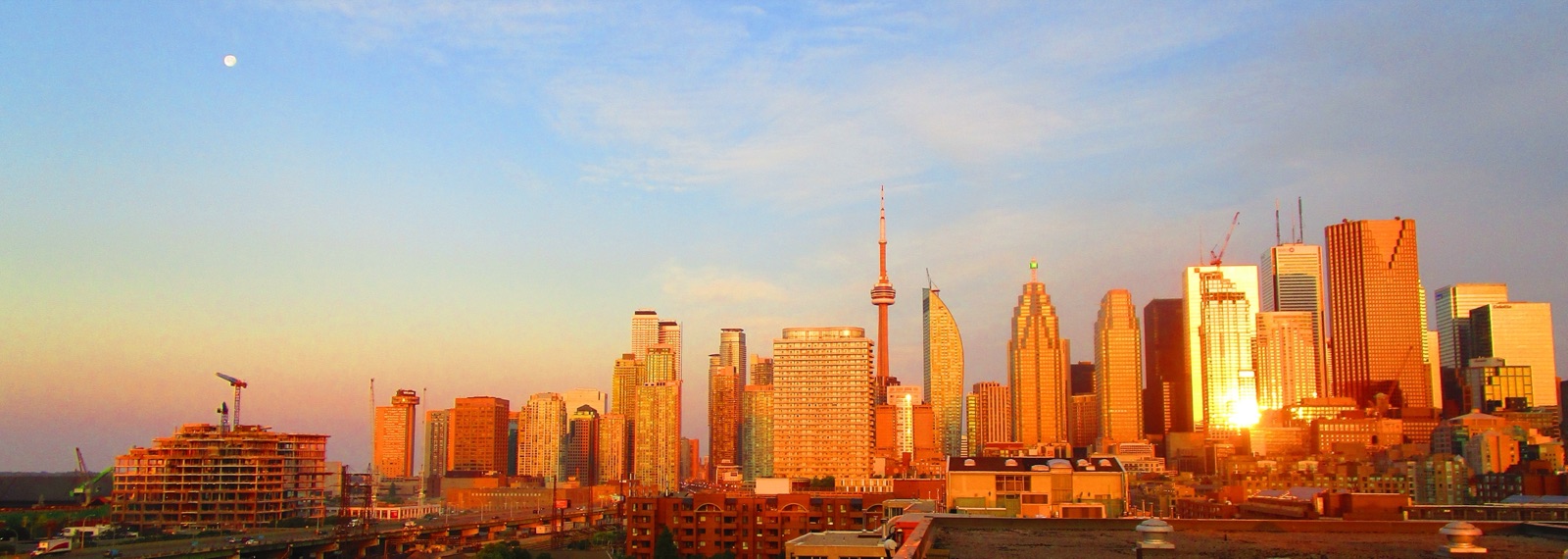
The clearest study-to-PR pathway, plus a far larger Indian student community. Undergraduate tuition averages ≈ CAD 41,746/year.
Study in Canada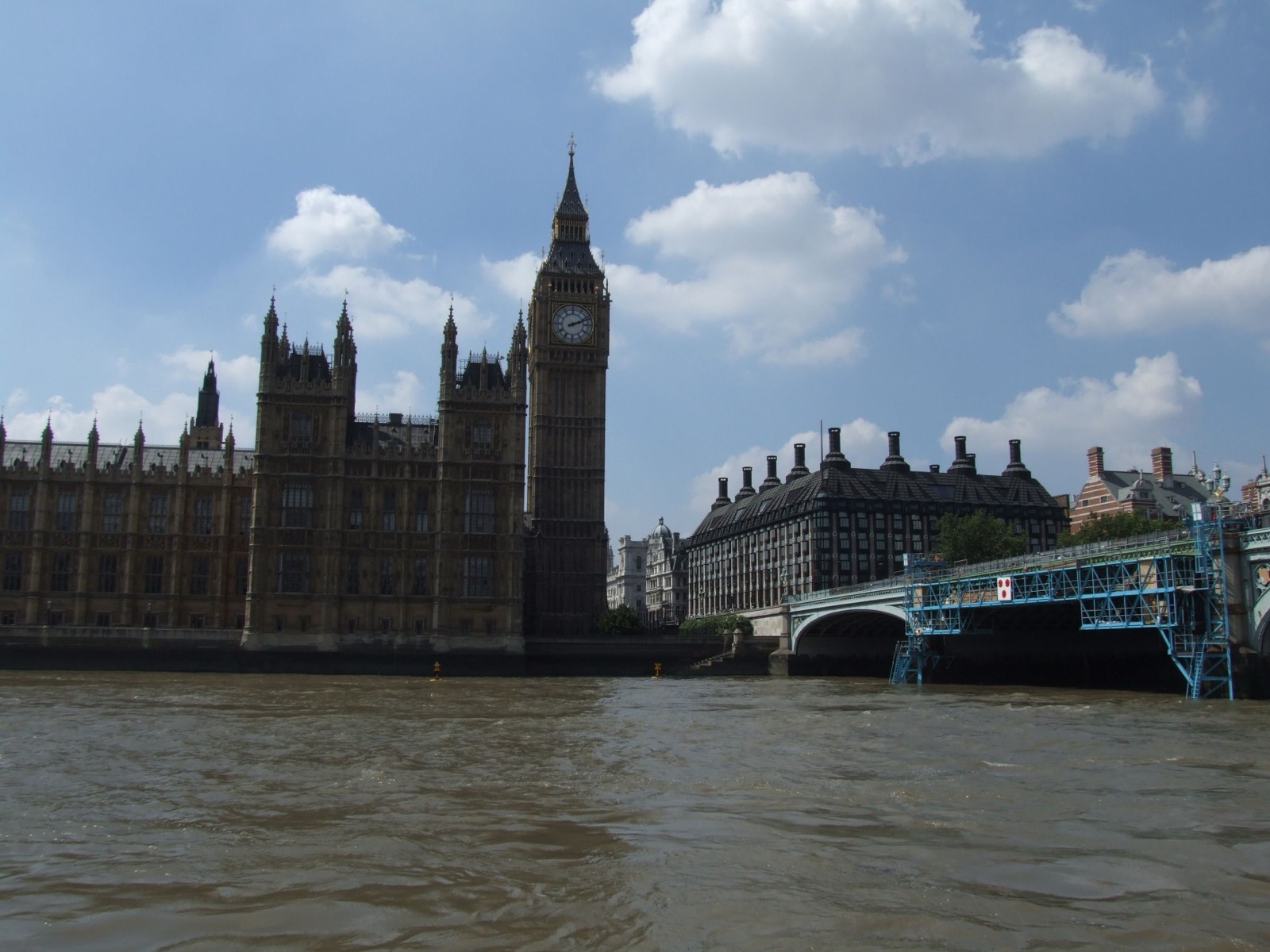
A one-year master's — done and job-hunting a year sooner than Finland's typical two-year track. Tuition runs ≈ £12,000–£25,000 for the full year.
Study in UK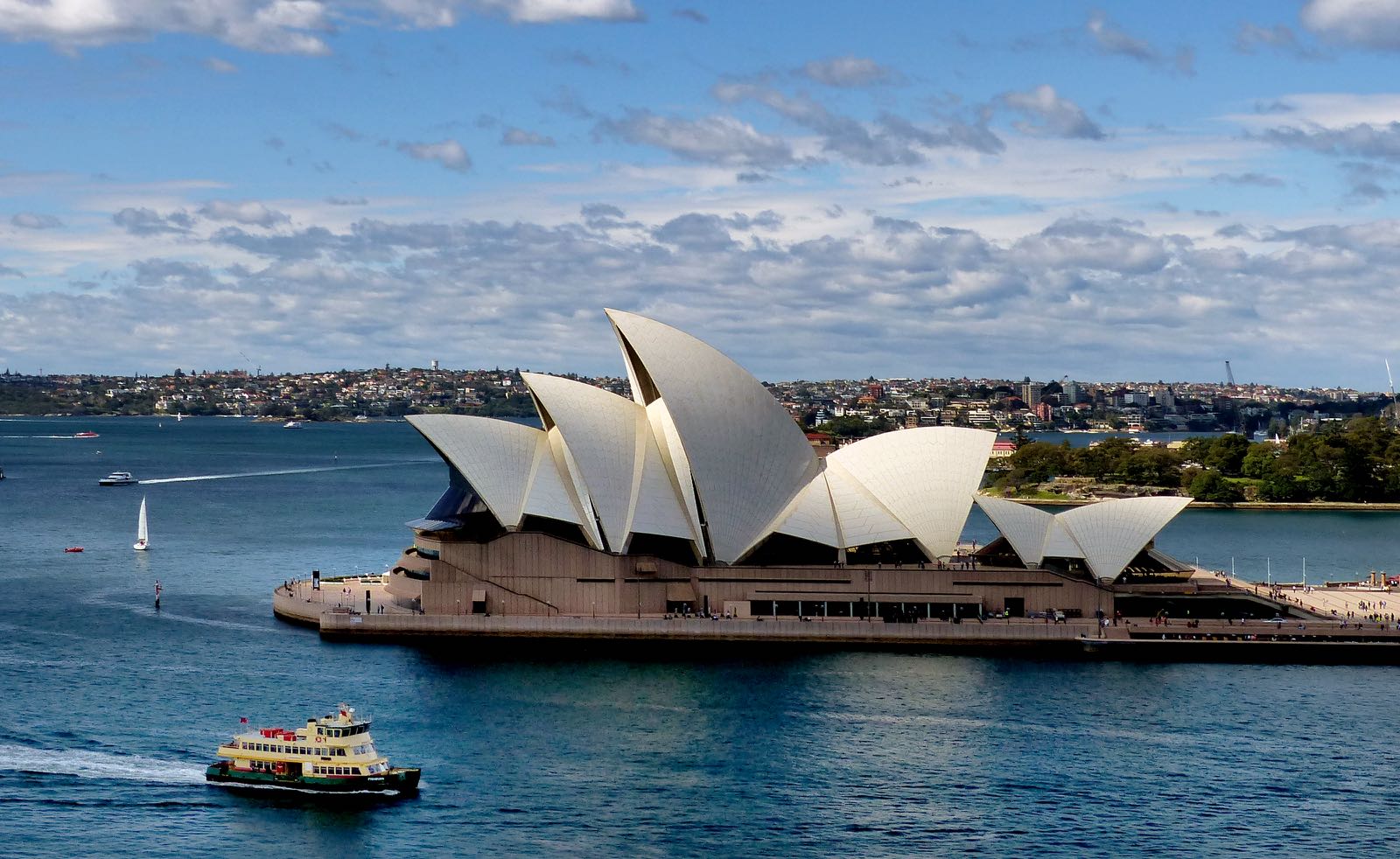
Shorter, better-established post-study work rights and a much larger Indian student network. Postgraduate tuition runs ≈ AUD 40,000–57,000/year.
Study in Australia