No cost, ever
This counselling is free from your first call — there's no fee at any stage.
Ireland's pull is specific: EU membership, English-taught degrees, and a concentration of tech, pharma and financial-services employers few other destinations can match. Dublin's accommodation shortage is real and rarely disclosed upfront — here's the current cost, visa and work-rights picture for Indian students.
Share a few details and a counsellor will send a personalised cost and eligibility snapshot for your profile — no cost, no obligation.
Get My Free Cost BreakdownThis counselling is free from your first call — there's no fee at any stage.
A conversation about your options, not a sales pitch.
Costs, visa rules and work rights — verified, not guessed.
Ireland's case is narrower and more specific than most competitor pages admit — strong for the right field, and genuinely costly to live in if you land in Dublin unprepared. Here's the honest version.
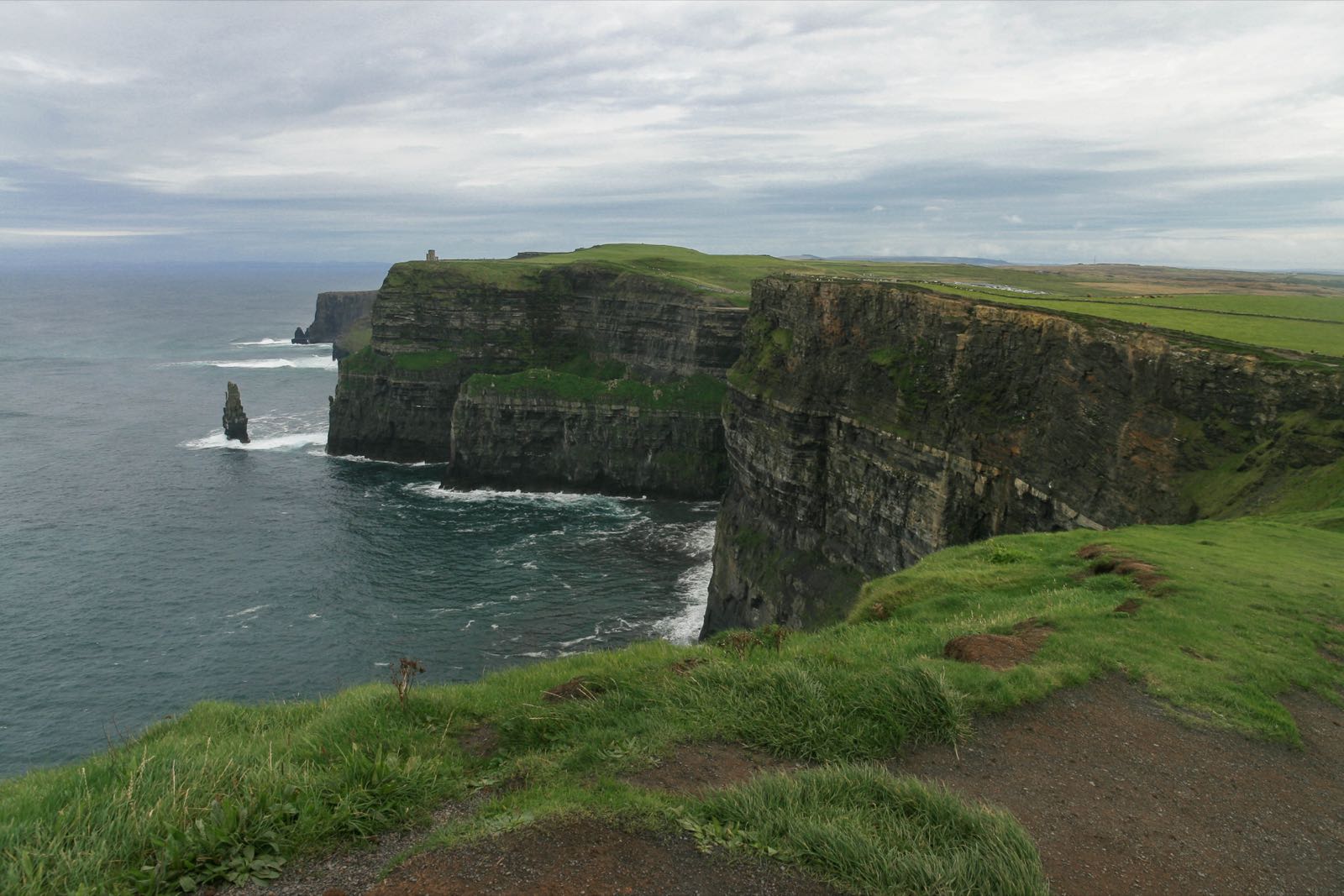
Ireland is the only English-speaking full member of the EU since Brexit, which means EU-level academic recognition and an English-taught degree without the language requirement that comes with most of continental Europe.
Many of the world's largest tech, pharmaceutical, medical-device and financial-services firms run their European operations from Ireland — chiefly Dublin, with clusters in Cork and Galway. That's exactly why the local job-market advantage is field-specific, not universal: if you're not headed into one of those sectors, this particular pull doesn't apply to you.
The Third Level Graduate Programme (Stamp 1G) gives honours bachelor's (NFQ Level 8) graduates 12 months to work without needing a job offer in advance, and master's or PhD (Level 9/10) graduates up to 24 months, granted as an initial 12 months plus a 12-month renewal. It's shorter than some competitor countries, so treat it as a job-search runway, not a long-term settlement route.
September is the main intake with the broadest course choice across every university. A smaller January/February intake exists, but it's limited to specific postgraduate programmes at a handful of universities.
Non-Irish-domiciled enrolments reached 44,535 in the 2024–25 academic year — up 10.2% in a single year and equivalent to 16% of all higher-education enrolments (HEA data, cited in The Irish Times, July 2026) — so you won't be arriving into an unfamiliar system.
Intake months are reliable sector convention; specific deadlines are set by each university, so treat these as indicative.
September is the main intake, open across every university and course. A smaller January/February intake exists only for specific postgraduate programmes at a handful of universities (including Dublin City University, University of Limerick, Maynooth University, TU Dublin, University of Galway, University College Cork and National College of Ireland).
September intake: applications typically open around September/October the year before, with deadlines generally falling between April and June — but admissions are rolling, so popular courses can close months early. January intake: applications usually close by the end of November of the prior year.
Book your English test and start assembling financial evidence early: at least €10,000 for living costs (courses of a year or longer), shown through six months of bank statements with a stable transaction history, plus proof you've paid or can pay your first year's tuition.
Apply for Ireland's long-stay 'D' visa through the Embassy of Ireland, New Delhi, ideally 3–5 months before your start date. Standard processing is roughly 4–8 weeks, stretching toward 12 weeks in the June–August peak.
UniVox doesn't compare institutions — only how a field of study interacts with Ireland's specific, sector-concentrated economy.
Dublin hosts the European operations of many of the world's largest tech employers, so this is the field where Ireland's job-market advantage is strongest and most direct.
Ireland is one of the world's largest pharmaceutical-manufacturing and export hubs, which feeds a genuine local hiring pipeline for graduates in this field.
Dublin's International Financial Services Centre concentrates financial-services and fintech employers; business-analytics postgraduate fees sit toward the higher end of the PG band, up to around €40,000/year.
Cork and Galway anchor Ireland's medical-device manufacturing clusters — a narrower but well-paying market for process and biomedical engineering graduates specifically.
A fast-growing niche inside the same tech cluster driving the Computer Science advantage, with demand tied directly to the multinational presence in Dublin.
Ireland's public health system has ongoing staffing needs, giving this field a more structured hiring pathway than most — though tuition and registration requirements should be checked per programme.
The honest caveat: Ireland's strongest local job-market tailwind is concentrated in tech, pharma, med-device and finance. If your field sits outside those, weigh Ireland on the EU/English-speaking combination alone, not on sector-specific hiring demand.
Ireland rewards a specific field and a realistic housing budget more than it rewards the country itself. Here's where it tends to work, and where it doesn't.
These are the recurring, avoidable errors that turn into extra cost, delay or a rejected application.
Dublin's student-accommodation shortage is estimated at 15,000–20,000 beds, and purpose-built accommodation is often near-full by late July. Shared housing runs roughly €700–1,200/month and purpose-built accommodation €900–1,500/month — arrange housing before you travel, not after.
It isn't. An honours bachelor's (NFQ Level 8) gets 12 months; only a master's or PhD (Level 9/10) gets up to 24 months, granted as an initial 12 months plus a 12-month renewal. Planning a bachelor's-level job search around two full years is a common and costly miscalculation.
Ireland's strongest local hiring demand is concentrated in a handful of sectors tied to its multinational employer base. Picking an unrelated field and expecting the same job-market pull is a mismatch this page won't paper over.
Visa officers want six months of bank statements showing a stable transaction history, not a sudden large deposit that happens to hit the €10,000 living-cost threshold. Build the funding history early.
Irish universities use rolling admissions, so popular courses regularly fill months before the stated deadline. Treat the published date as a ceiling, not a target.
A counsellor reviews your budget, target field and city preference, then calls within 24 hours with next steps. No payment is involved at this stage — it's a conversation, not a sales pitch.
Straight answers to the questions Indian students ask most before committing to Ireland.
Undergraduate tuition for non-EU students runs roughly €12,000–30,000 a year (up to €35,000–58,000 for medicine and health sciences); postgraduate averages €16,000–31,000, up to around €40,000 for STEM or business-analytics programmes. Living costs are separate — see the cost breakdown above.
Yes. Dublin has an estimated shortage of 15,000–20,000 student beds, and purpose-built accommodation is often close to full by late July. Shared housing runs roughly €700–1,200 a month and purpose-built student accommodation €900–1,500 a month, so housing alone can absorb over half a student's monthly budget.
Up to 20 hours a week during academic term, and up to 40 hours a week during official college holiday periods (June–September and 15 December–15 January). The limit is strictly enforced.
Under the Third Level Graduate Programme (Stamp 1G), graduates of an honours bachelor's degree (NFQ Level 8) get 12 months; graduates of a master's or PhD (Level 9 or 10) get up to 24 months, granted as an initial 12 months plus a 12-month renewal.
For courses of a year or longer, you need to show at least €10,000 for living costs, backed by six months of bank statements with a stable transaction history — plus evidence you've paid or can pay your first year's tuition.
No. UniVox counsels and refers — your university and Ireland's Embassy or immigration service handle admission and the visa decision itself.
A one-line difference and a typical annual cost for each — the full picture is on each country's own page.
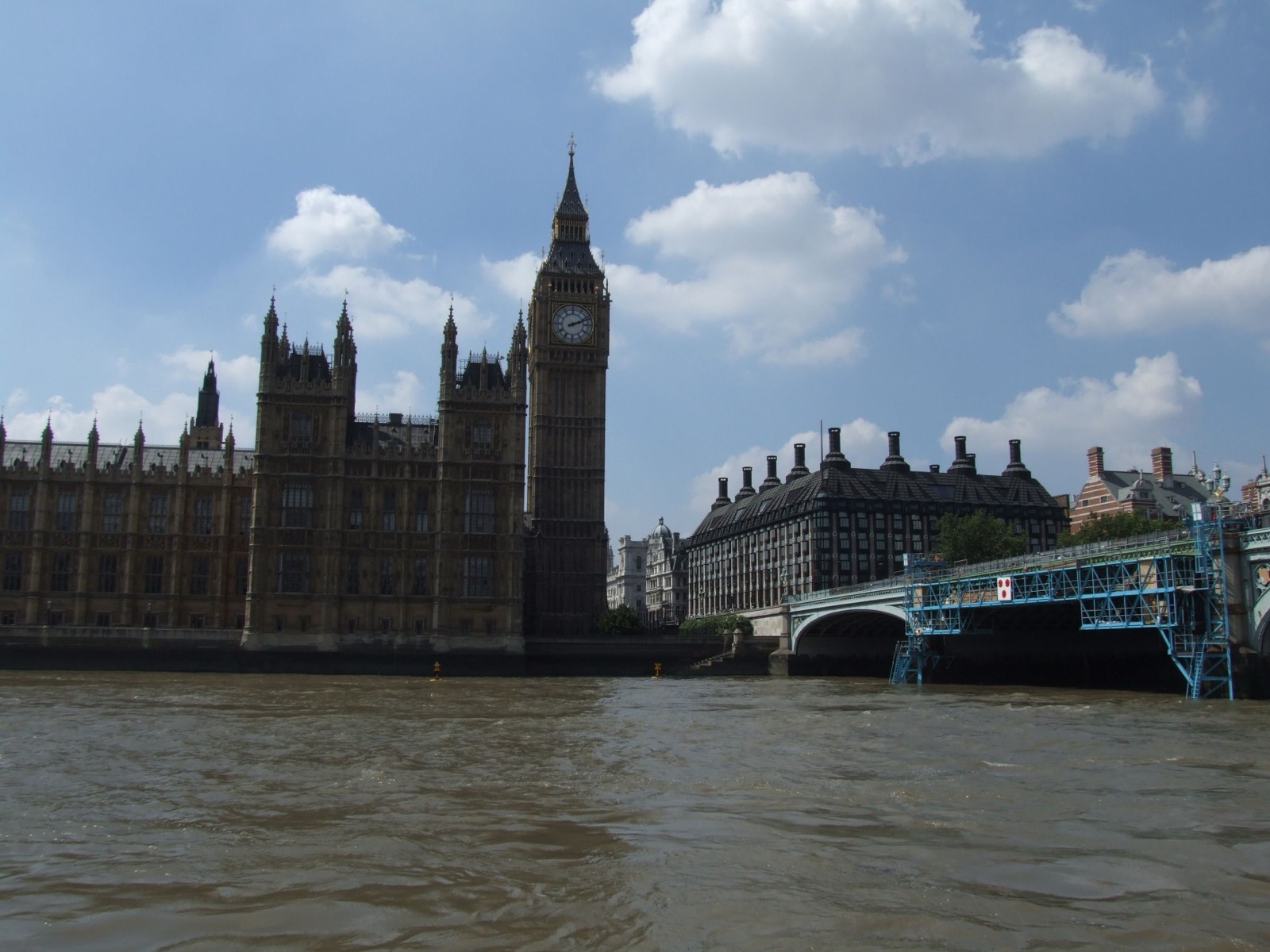
Geographically close and culturally similar, with a one-year master's — the shortest route of the four. Tuition runs ≈ £12,000–£25,000 for the full year.
Study in UK
The clearest study-to-PR pathway of the four — a structural advantage Ireland's time-boxed Stamp 1G doesn't match. Undergraduate tuition averages ≈ CAD 41,746/year.
Study in Canada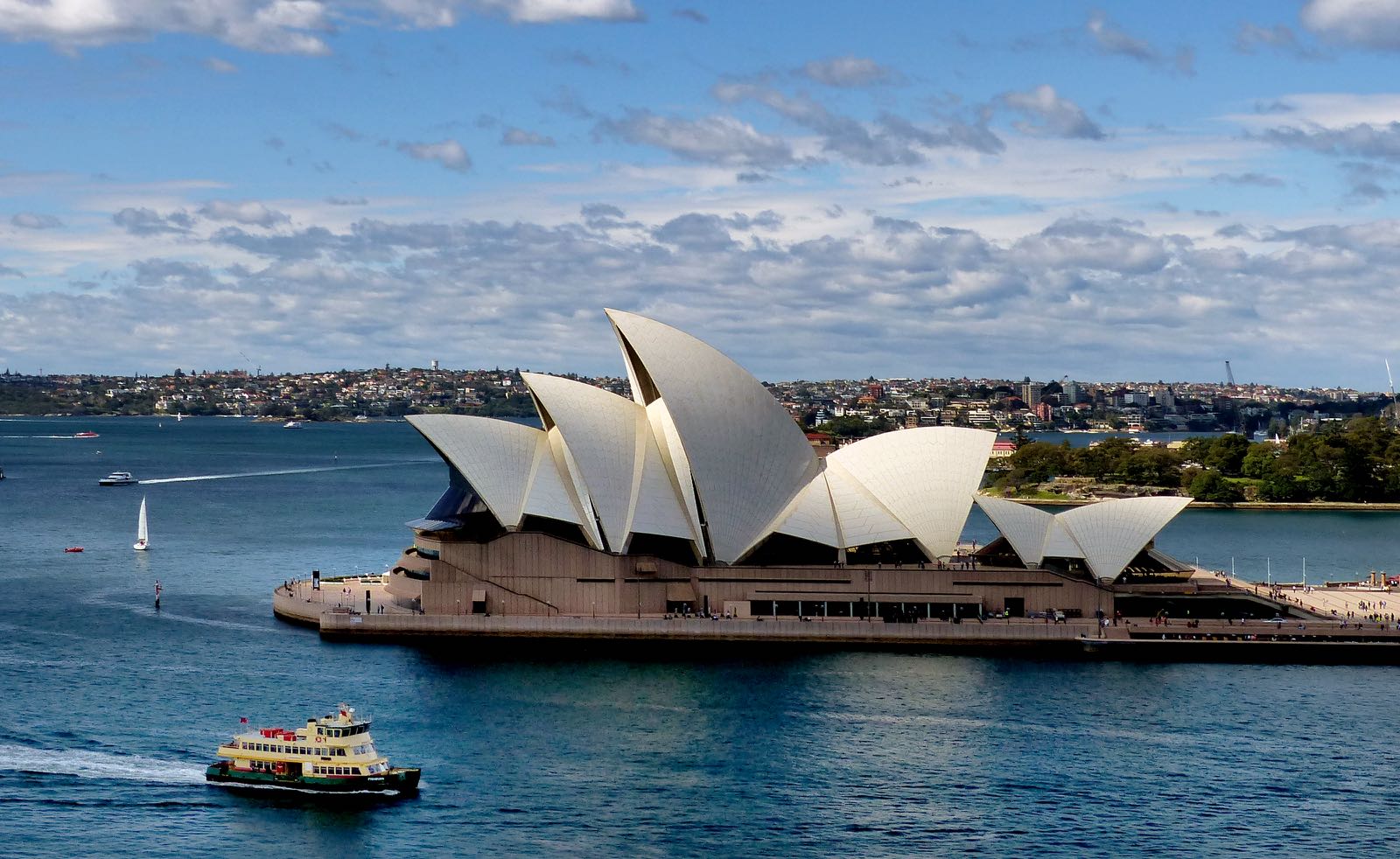
Longer post-study work rights (2–3+ years) than Ireland's Stamp 1G, at a higher cost and further from India. Undergraduate tuition runs ≈ AUD 25,000–55,000/year.
Study in Australia